

Artaic Launches “Designs on Demand” for Rapid-Turnaround Mosaics
Boston, MA – February 13, 2024 – Artaic, a leading mosaic manufacturer that utilizes robotic technology and innovative design tools to customize, design, and fabricate award-winning mosaic installations, is excited to announce the launch of Designs on Demand, a selection of Artaic’s mosaic designs available by the square foot for ...
Read More
FilzFelt Launches Mosaik, by Artaic, a Custom Acoustic Wall Tile With Designer Kelly Harris Smith
February 21, 2024— FilzFelt, an industry leader in sustainable acoustic products that feature 100% Wool Design Felt, introduces Mosaik, an acoustic wall application that uses automation to customize and assemble mosaics from any source of inspiration. Mosaik patterns, large and small, are created with 2” individual square tiles—available in over ...
Read More
Redmond, Washington Lines Commuter Tunnel with 6,000 sq. ft. Artaic Mosaic
BOSTON, MA – February 2024 – “Somewhere Under the Rainbow” is a permanent public art installation created by Synthesis Design and Architecture for the city of Redmond, Washington. This transformative piece reimagines the SR520/40th St. bicycle trail tunnel, which serves as an infrastructural underpass between opposing sides of Microsoft’s Redmond ...
Read More
New Hawaii Medical Center Unveils Mosaic Mural Facade
BOSTON, MA – December 2023 – At the entrance of the newly-renovated East Hawaii Health Cancer Center (EHHCC) at Hilo Medical Center in Hilo, Hawaii, a new mosaic mural greets patients and their families as they enter the facility. Designed by local artist Kristie Kosmides, the mural is a ...
Read More
AdventHealth ER Opens with Disney-Inspired Mosaics by Artaic
BOSTON, MA – June 2023 – The new full-service Advent Health emergency room at FLAMINGO CROSSINGS Town Center provides trusted emergency care for the Central Florida Community and Walt Disney World® Resort Guests with an immersive Disney experience. As part of the state-of-the-art design and commitment to enhancing the patient ...
Read More
Rashid Johnson’s “Broken Men” Cover New Wall Sculpture for MAG’s Sculpture Park
BOSTON, MA – June 2023 – The Memorial Art Gallery‘s (MAG) Centennial two-acre Sculpture Park, situated near the corner of University Avenue and Prince Street in Rochester, New York, aims to enliven the museum grounds with new sculptures, pathways, gardens, and seating. The new artworks will function as beacons for ...
Read More
New Tyler, Texas Conference Center Boasts Mosaic Artwork at Entrance Facade
BOSTON, MA – May 2023 – The new W.T. Brookshire Conference Center in the Rose Complex in the City of Tyler, Texas features an exquisite artwork by local Tyler, Texas-based artist Brent Hale, tapped to create the art by the Rose Complex’s Master Plan designers, Fitzpatrick Architects. As part of ...
Read More
El Paso Recreation Center Unveils New Peacock Mosaic Floor
BOSTON, MA – March 2023 – Located in El Paso, Texas, the Pavo Real Recreation Center has been serving its community since 1977. In 1988, the center was expanded to include the Pavo Real Senior Center, and in 2021, for the first time since it was built, the community center ...
Read More
Soake Pools and Artaic Announce Collaboration for Custom Pool Designs, Artaic Plunge Collection for Soake Pools
New England — October 2022 — Soake Pools and Artaic have joined forces to create a specialized collection of mosaic tile designs for Soake Pools’ pre-tiled plunge pools. Available on the Soake Pools website, customers can choose from five curated mosaic patterns: Greek Key, Crushed Velvet, Emulsion, Manor, or Strie. ...
Read More
Napa Valley Chrysler Dealership Increases Curb Appeal with Custom Mosaic
BOSTON, MA – August 2022 – Napa Valley’s Chrysler Dealership’s roadside mural, commissioned by local artist Kristina Young, captures the evolution of the Chrysler brand in an everlasting mosaic nestled upon a 100-foot-long, ten-foot-high concrete wall, delivering a colorful mirror to the adjacent Soscol Avenue. As the most extensive ...
Read MoreJoin the Conversation


Top Mosaic Designs
-
 Spire Turquoise $0.00
 -
 Waterflow Lake $8.00
 -
 Cumulus Twilight $12.00
 -
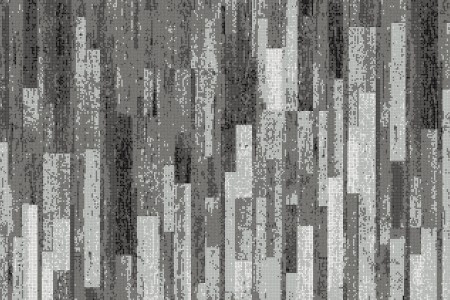 Timber Ash $9.00
 -
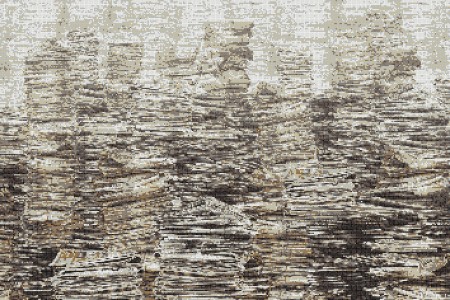 Newstack Earthen $12.00





Featured Installations

Hyatt Place Waikiki

Manhattan Residence


